

The journey to studying in Australia has evolved significantly, with new policies and requirements shaping the student visa landscape in 2026. For international students, particularly those from Nigeria and other developing countries, understanding these changes is crucial for a successful application. This comprehensive guide breaks down everything you need to know about the Australia student visa requirements 2026 and how to navigate the application process effectively.
Understanding Australia Student Visa Requirements 2026
The Subclass 500 student visa remains the primary pathway for international students seeking to study in Australia. However, 2026 brings several important changes that directly impact how applications are processed and evaluated.
The most significant shift involves the transition from the Genuine Temporary Entrant (GTE) requirement to the new Genuine Student (GS) requirement. This change reflects Australia’s commitment to ensuring that student visa holders have legitimate educational intentions rather than using study as a backdoor to permanent residency.
According to recent data, student visa approval rates averaged 85% across all applicant countries, though this varies significantly by nationality and application quality. For Nigerian students, understanding these statistics helps set realistic expectations about the visa application process.
Key Changes in 2026
Australia has introduced a National Planning Level cap of 295,000 new international student commencements, which creates increased competition among applicants. Additionally, applications have been re-classified to Evidence Level 3, requiring more comprehensive documentation and stronger evidence of genuine study intentions.
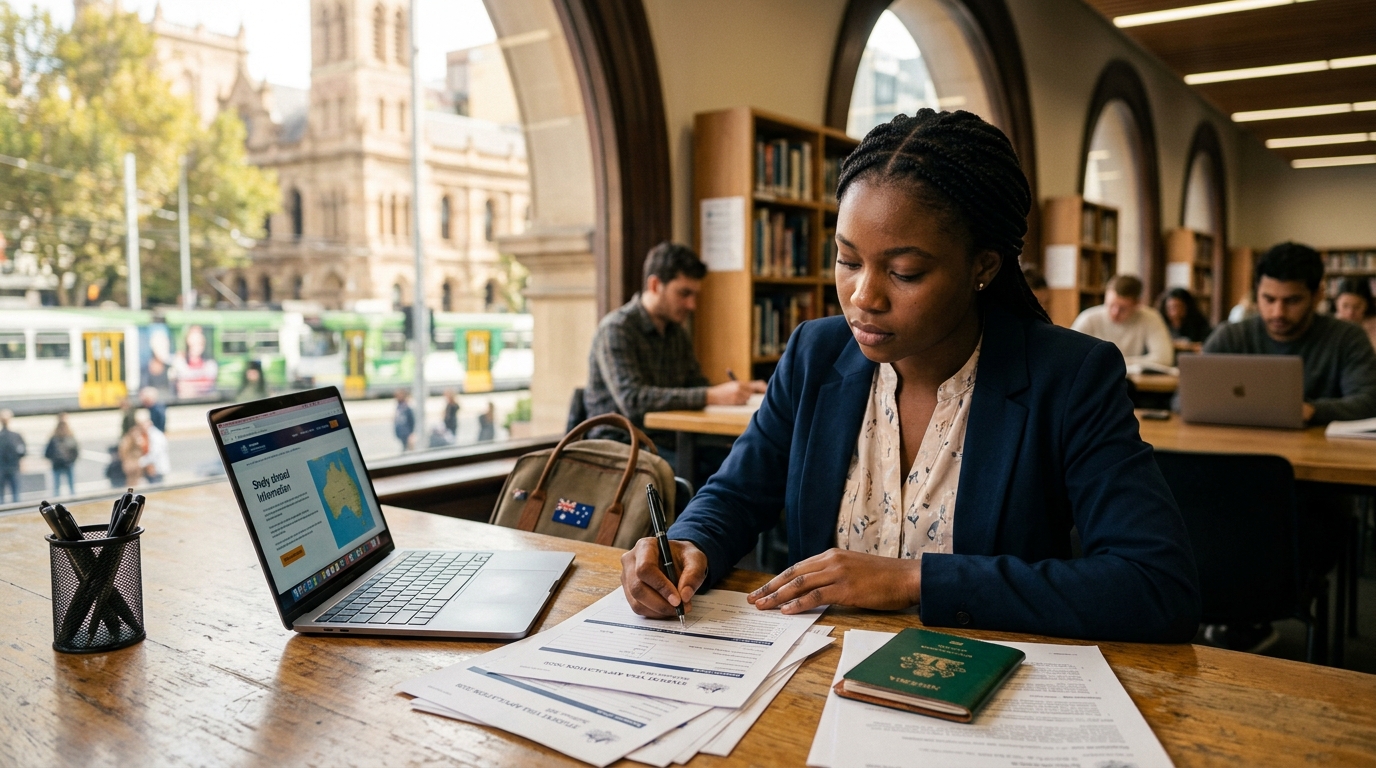
!Australia Student Visa 2026: Complete Guide for International Students
Financial Requirements and Proof of Funds
One of the most critical aspects of the Australia study visa application process involves demonstrating adequate financial resources. The mandatory living expense requirement has been set at AU $29,710 for the primary applicant, representing a significant increase from previous years.
This financial threshold covers:
- Living expenses during your study period
- Accommodation costs
- Daily necessities and personal expenses
- Emergency funds for unexpected situations
For Nigerian students visa Australia applications, it’s essential to provide clear evidence of how these funds will be accessed throughout your studies. Acceptable forms of financial evidence include:
- Bank statements showing consistent savings over several months
- Education loan approvals from recognized financial institutions
- Scholarship letters with detailed funding breakdowns
- Sponsor declarations with supporting financial documentation
- Fixed deposits or investment certificates
Additional Financial Considerations
| Cost Category | Estimated Annual Amount (AUD) | Notes |
|—————|——————————-|——-|
| Tuition Fees | $20,000 – $45,000 | Varies by institution and program |
| Living Expenses | $29,710 | Mandatory government requirement |
| Health Insurance (OSHC) | $500 – $700 | Required for visa duration |
| Initial Setup Costs | $2,000 – $5,000 | Accommodation bond, utilities |
| Books & Materials | $1,000 – $2,500 | Depends on course requirements |
| Total Estimated | $53,210 – $82,910 | Per academic year |
Step-by-Step Application Process
Step 1: Secure Your Confirmation of Enrolment (CoE)
Before applying for your student visa Australia from Nigeria, you must receive a Confirmation of Enrolment from your chosen Australian institution. This document confirms your acceptance into a course and is essential for your visa application.
Step 2: Prepare Required Documentation
The Australia visa requirements international students must meet include comprehensive documentation. Gather these essential documents:
- Valid passport with at least 6 months remaining validity
- CoE from your Australian institution
- Academic transcripts and certificates
- English language proficiency test results (IELTS, TOEFL, PTE, or equivalent)
- Financial evidence demonstrating access to required funds
- Health insurance (OSHC) coverage
- Statement of Purpose addressing the Genuine Student requirement
- Health examination results (if required)
- Character documents (police clearance certificates)
Step 3: Complete the Online Application
The Department of Home Affairs processes all student visa applications through their online ImmiAccount system. Create your account and carefully complete Form 500, ensuring all information matches your supporting documents exactly.
Step 4: Pay Application Fees and Submit
As of 2026, student visa application fees have increased, contributing to the overall cost of studying in Australia. Pay the required fee and submit your complete application with all supporting documents.
Step 5: Attend Biometrics Appointment (if required)
Depending on your nationality and circumstances, you may need to provide biometric information at a designated center.
Genuine Student (GS) Requirement
The shift from GTE to GS represents a fundamental change in how Australian authorities evaluate student visa applications. The GS requirement focuses on your genuine intention to study and how your chosen course aligns with your educational and career goals.
Crafting Your GS Statement
Your Genuine Student statement should address:
Processing Times and Priority Processing
Under Ministerial Direction 115, certain applications may receive priority processing. However, standard processing times vary based on application complexity, documentation quality, and current caseloads.
Multiple data indicators suggest that the path to securing a student visa has become more complex and competitive in 2026. Success now relies more than ever on demonstrating genuine intentions and meeting all requirements comprehensively.
Work Rights and Study-Work Balance
The Subclass 500 visa continues to allow part-time work during studies, providing valuable income opportunities and practical experience. International students can work up to 40 hours per fortnight during study periods and unlimited hours during scheduled breaks.
Work Opportunities for International Students
- On-campus positions at your institution
- Part-time retail and hospitality jobs
- Tutoring and academic support roles
- Internships related to your field of study
- Freelance work within legal parameters
Pathway to Permanent Residency
One of the attractive aspects of studying in Australia is the potential pathway from student visa to permanent residency. The student visa can serve as a stepping stone to skilled migration programs, particularly for those studying in high-demand fields.
Popular pathways include:
- Temporary Graduate visa (subclass 485)
- Skilled Independent visa (subclass 189)
- Skilled Nominated visa (subclass 190)
- Employer-sponsored visas
Common Challenges and Solutions
High Refusal Rates
With 12-15% of applications facing refusal, understanding common rejection reasons helps improve your chances:
- Insufficient financial evidence
- Weak Genuine Student statements
- Incomplete documentation
- English proficiency concerns
- Health or character issues
English Language Requirements
Most institutions and the Department of Home Affairs require specific English language scores. Plan your test preparation well in advance, as achieving required scores may take multiple attempts.
Health Insurance Obligations
Overseas Student Health Cover (OSHC) is mandatory for the entire duration of your visa. Research providers and coverage options to find the most suitable plan for your needs.
Tips for Nigerian Students
As a Nigerian student applying for an Australian student visa, consider these specific recommendations:
How to Apply Australia Student Visa 2026: Final Checklist
Before submitting your application, review this comprehensive checklist:
- [ ] CoE obtained from Australian institution
- [ ] All academic documents certified and translated
- [ ] Financial evidence totaling AU $29,710 plus tuition fees
- [ ] English language test results meeting requirements
- [ ] OSHC arranged for visa duration
- [ ] Genuine Student statement written and reviewed
- [ ] Health examinations completed (if required)
- [ ] Character documents obtained
- [ ] ImmiAccount created and form completed
- [ ] Application fee paid
- [ ] All documents uploaded and application submitted
Preparing for Success in 2026
The Australian international education sector faces challenges, with market indicators signaling further declines in international student numbers. However, this creates opportunities for well-prepared applicants who can demonstrate genuine study intentions and meet all requirements comprehensively.
Success in securing an Australian student visa in 2026 requires thorough preparation, honest documentation, and clear demonstration of your educational goals. The investment in time and resources for a quality application significantly improves your chances of approval.
Frequently Asked Questions
What are the main differences in Australia student visa requirements for 2026?
The key changes include the transition from GTE to Genuine Student requirements, re-classification to Evidence Level 3, increased financial thresholds to AU $29,710, and the introduction of a National Planning Level cap of 295,000 new student commencements. These changes make the application process more competitive and documentation-intensive.
How much money do I need to show for an Australian student visa from Nigeria?
You must demonstrate access to AU $29,710 for living expenses plus your full tuition fees for the course duration. Additionally, budget for health insurance, initial setup costs, and emergency funds. The total typically ranges from AU $53,000 to AU $83,000 annually depending on your program.
What is the current approval rate for Australian student visas?
Recent data shows an average approval rate of 85% across all countries, with 12-15% facing refusal. However, rates vary significantly by nationality and application quality. Well-prepared applications from Nigerian students can achieve higher success rates with proper documentation.
Can I work while studying in Australia on a student visa?
Yes, Subclass 500 visa holders can work up to 40 hours per fortnight during study periods and unlimited hours during scheduled breaks. This provides valuable income opportunities and practical experience in your field of study.
How long does it take to process an Australian student visa application?
Processing times vary based on application complexity and documentation quality. While standard timeframes aren’t specified, certain applications may receive priority processing under Ministerial Direction 115. Submit your application well before your intended start date to avoid delays.
What happens if my Australian student visa application is refused?
If refused, you’ll receive a letter explaining the reasons for refusal. You may have options to address the concerns and reapply, or in some cases, request a review of the decision. Consider seeking professional advice to understand your options and improve future applications.
Is there a pathway from student visa to permanent residency in Australia?
Yes, several pathways exist including the Temporary Graduate visa (subclass 485) followed by skilled migration programs. Studying in high-demand fields and gaining Australian work experience can significantly improve your permanent residency prospects.
Sources & References
- Australia’s Student Visa Data 2025 and What It Signals for 2026
- Other international education data and research
- Australia: Multiple data indicators signal further declines ahead for international student numbers
- Student visa program Dataset
- Australia Study Visa 2026: Complete Guide & Processing
- Australia Student Visa 2026: Subclass 500 Guide
- Australia Student Visa Guide 2026
- Student Visa Guide Australia 2026: Subclass 500